Uniform frying is a critical factor in the production of high - quality fried onions. As a seasoned supplier of onion frying lines, I understand the importance of achieving consistent results in the frying process. In this blog, I will share some key strategies and techniques to ensure uniform frying on an onion frying line.
1. Preparation of Onions
Before the onions enter the frying line, proper preparation is essential. First, the onions should be of uniform size. Large and small onions fry at different rates, which can lead to uneven frying. Using a sizing machine can help sort the onions into similar sizes.
Secondly, the onions need to be properly cleaned. Any dirt or debris on the onions can affect the frying process and the final quality of the product. A thorough washing step using a high - pressure water spray system can remove dirt and impurities effectively.
2. Temperature Control
Maintaining a consistent frying temperature is one of the most important factors for uniform frying. The frying oil temperature should be carefully monitored and adjusted throughout the process.
Invest in a high - quality temperature control system for the frying equipment. This system should be able to detect even minor fluctuations in temperature and make immediate adjustments. For example, if the temperature drops due to a large batch of onions being added to the fryer, the heating element should quickly increase the heat to bring the temperature back to the optimal level.
The optimal frying temperature for onions typically ranges from 160°C to 180°C. At this temperature range, the onions will cook evenly on the outside while remaining tender on the inside. If the temperature is too low, the onions will absorb more oil and become soggy. On the other hand, if the temperature is too high, the outer layer of the onions may burn while the inside remains undercooked.
3. Oil Management
The quality and quantity of the frying oil play a crucial role in uniform frying. The oil should be changed regularly to prevent the buildup of impurities and breakdown products. Over time, used oil can develop a dark color and an unpleasant odor, which can affect the taste and appearance of the fried onions.
A continuous oil filtration system can be installed on the onion frying line to remove any particles or debris from the oil during the frying process. This helps to keep the oil clean and maintain its frying performance.
In addition, the oil level in the fryer should be maintained at a consistent level. A low oil level can cause uneven heating and frying, as the onions may not be fully submerged in the oil. A high - precision oil level sensor can be used to monitor the oil level and trigger an automatic refill system when necessary.
4. Conveyor System
The conveyor system on the onion frying line is responsible for moving the onions through the fryer at a constant speed. A well - designed conveyor system ensures that each onion spends the same amount of time in the frying oil, resulting in uniform frying.
The speed of the conveyor should be adjustable according to the size and quantity of the onions. For larger onions or a higher production volume, the conveyor speed may need to be slowed down to allow sufficient frying time. Conversely, for smaller onions or a lower production volume, the speed can be increased.
The conveyor should also be made of a material that is resistant to high temperatures and corrosion. Stainless steel is a popular choice for conveyor belts in onion frying lines due to its durability and ease of cleaning.
5. Agitation
Agitating the onions in the frying oil can help to ensure uniform frying. This can be achieved through various methods, such as using a paddle - type agitator or a bubbling system.
A paddle - type agitator can gently stir the onions in the fryer, preventing them from sticking together and ensuring that all sides of the onions are exposed to the hot oil. The speed and intensity of the agitation should be carefully adjusted to avoid damaging the onions.
A bubbling system, on the other hand, uses air bubbles to create movement in the oil. The bubbles rise through the oil, causing the onions to move around and ensuring even heat distribution. This method is particularly effective for small - sized onions.
6. Pre - treatment and Coating
Pre - treating the onions before frying can also contribute to uniform frying. For example, blanching the onions in hot water for a short period can help to remove some of the moisture and reduce the frying time. This can result in more consistent frying results.
Applying a coating to the onions can also improve the uniformity of frying. A thin layer of batter or breading can act as a barrier, preventing the onions from absorbing too much oil and ensuring that they cook evenly. The coating should be applied evenly to all the onions using a coating machine.
7. Quality Control
Regular quality control checks are necessary to ensure that the frying process is producing uniformly fried onions. Samples should be taken at regular intervals from the output of the frying line and inspected for color, texture, and taste.

If any non - uniformities are detected, adjustments should be made to the frying process immediately. For example, if some onions are found to be overcooked while others are undercooked, the temperature, conveyor speed, or agitation settings may need to be adjusted.
Related Machinery
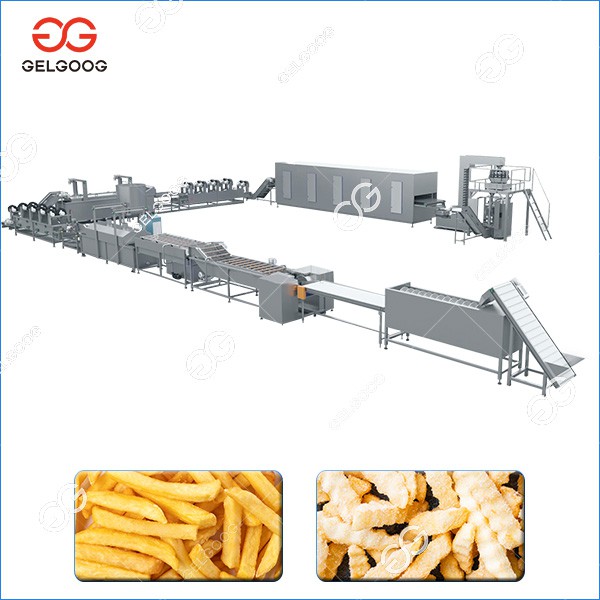
In addition to the onion frying line, we also offer a range of related machinery that can enhance the overall production process. For example, our Sauce Filling Machine can be used to fill the fried onions with various sauces, adding flavor to the final product. Our Garlic Paste Production Line can produce high - quality garlic paste, which can be used as a seasoning for the fried onions. And our French Fries Production Line shares some similar technologies and components with the onion frying line, which can be a valuable reference for optimizing the frying process.
Conclusion
Ensuring uniform frying on an onion frying line requires a combination of proper preparation, precise temperature control, effective oil management, a well - designed conveyor system, appropriate agitation, pre - treatment, and strict quality control. By implementing these strategies and using high - quality equipment, you can produce consistently high - quality fried onions.
If you are interested in our onion frying lines or any of our related machinery, please feel free to contact us for more information and to discuss your specific production needs. We are committed to providing you with the best solutions for your frying production.
References
- "Food Frying Technology: Principles and Practice" by Muhammad S. Rahman
- "Handbook of Food Processing Equipment" by Pierre - Alain Michon