

Hey there! As a supplier of French fries machines, I'm super stoked to take you behind the scenes and show you how these nifty contraptions work. Whether you're a restaurant owner looking to up your fry game or just a curious foodie, this blog is for you.
Let's start with the basics. A French fries machine is designed to transform raw potatoes into those crispy, golden fries we all love. The process might seem simple, but there's a lot going on under the hood.
Step 1: Potato Loading
The first step in the process is loading the potatoes into the machine. Most French fries machines have a hopper or a chute where you can dump in a batch of potatoes. The size of the hopper can vary depending on the model of the machine. Some are designed for small - scale operations, like a local diner, and have a smaller hopper, while others for large - scale commercial kitchens can hold a much larger quantity of spuds.
Once the potatoes are in the hopper, they're ready to move on to the next stage. It's important to make sure the potatoes are clean and free from any dirt or debris before loading them. This helps to ensure the quality of the final product.
Step 2: Washing and Peeling
After loading, the potatoes are sent through a washing and peeling mechanism. This is a crucial step as it removes the outer skin of the potatoes and cleans them thoroughly. The washing part usually involves water jets that spray the potatoes from all angles, getting rid of any dirt or dust.
The peeling can be done in different ways. Some machines use abrasive surfaces to rub off the skin, while others use steam or chemical methods. The choice of peeling method depends on the type of machine and the desired quality of the fries. For example, if you want a more natural - looking fry with a bit of the skin left on, a less aggressive peeling method might be used.
Step 3: Cutting
Once the potatoes are clean and peeled, it's time to cut them into fry shapes. French fries machines come with different cutting blades that can create various fry sizes and shapes, from thick steak fries to thin shoestring fries. The cutting mechanism is usually very precise, ensuring that all the fries are of a uniform size.
This uniformity is important not only for the aesthetic appeal of the fries but also for the cooking process. If the fries are all the same size, they'll cook evenly, resulting in a consistent texture and taste. The cutting blades are sharp and durable, designed to handle a large volume of potatoes without getting dull quickly.
Step 4: Blanching
After cutting, the fries go through a blanching process. Blanching involves briefly immersing the fries in hot water or steam. This step serves several purposes. First, it helps to remove excess starch from the surface of the fries. Excess starch can cause the fries to stick together during frying and can also result in a greasy final product.
Second, blanching starts the cooking process, which helps to ensure that the fries cook evenly during the final frying stage. The temperature and time of blanching are carefully controlled to achieve the right balance. Usually, the fries are blanched at a temperature of around 170 - 190°F (77 - 88°C) for a few minutes.
Step 5: Frying
The frying stage is where the magic happens. The blanched fries are transferred to a fryer, which is filled with hot oil. The oil temperature is a critical factor in making perfect fries. Most French fries machines can maintain a consistent oil temperature, usually between 350 - 375°F (177 - 191°C).
At this high temperature, the water inside the fries quickly evaporates, creating a crispy outer layer while keeping the inside soft and fluffy. The frying time depends on the size of the fries. Thicker fries will take longer to cook than thinner ones. The machine will automatically remove the fries from the oil once they've reached the right level of doneness.
Step 6: Draining and Seasoning
Once the fries are fried, they're lifted out of the oil and allowed to drain. This helps to remove any excess oil, making the fries less greasy. Some machines have a built - in draining mechanism, like a basket that can be lifted out of the oil and allowed to drip.

After draining, the fries can be seasoned. Some French fries machines have a seasoning dispenser that can sprinkle salt, pepper, or other seasonings evenly over the fries. This gives the fries that extra flavor boost that we all love.
Additional Features of French Fries Machines
Modern French fries machines come with a lot of additional features that make them more efficient and user - friendly. For example, many machines have digital controls that allow you to set the cooking time, temperature, and other parameters with just a few button presses. This makes it easy for operators to get consistent results every time.
Some machines also have self - cleaning functions. After a long day of frying, cleaning the machine can be a hassle. But with a self - cleaning feature, the machine can clean itself, saving you time and effort.
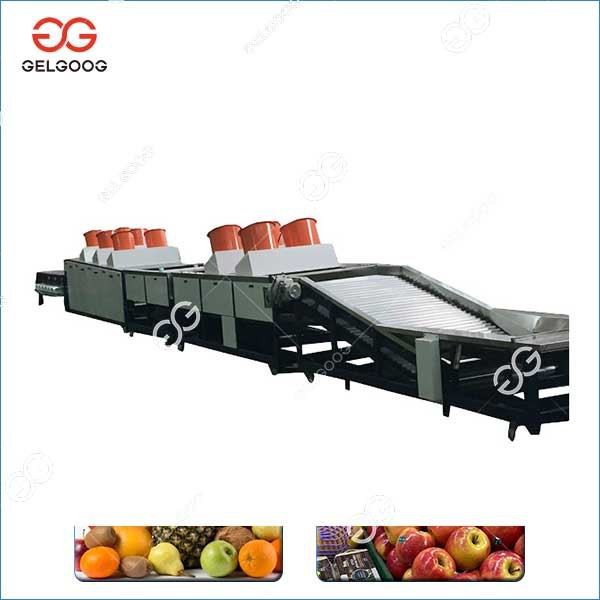
Now, if you're in the market for other types of food processing machines, we also offer some great options. Check out our Drip Coffee Bag Packing Machine for all your coffee packaging needs. And if you're into fruit processing, our Automatic Fruit Waxing Machine Line is a great choice. Also, for those interested in fried onion production, take a look at our Fried Onion Production Line.
If you're interested in our French fries machines or any of our other products, don't hesitate to reach out. We're here to help you find the perfect machine for your business. Whether you have a small food stand or a large - scale restaurant, we have a solution for you. Contact us today to start a conversation about your needs and how we can assist you in getting the best French fries machine for your operation.
References
- "Food Processing Technology: Principles and Practice" by P. J. Fellows
- "Handbook of Food Engineering" by D. R. Heldman and D. B. Lund


