Adjusting the frying intensity on an onion frying line is a critical aspect of achieving high - quality fried onion products. As a trusted supplier of onion frying lines, we understand the importance of this process and are here to share some valuable insights on how to make these adjustments effectively.
Understanding the Components of an Onion Frying Line
Before delving into the adjustment of frying intensity, it's essential to have a basic understanding of the main components of an onion frying line. An onion frying line typically consists of a pre - treatment section, a frying section, and a post - treatment section. The pre - treatment section may involve washing, peeling, and slicing the onions. The frying section is where the actual frying takes place, and the post - treatment section may include de - oiling, seasoning, and packaging.
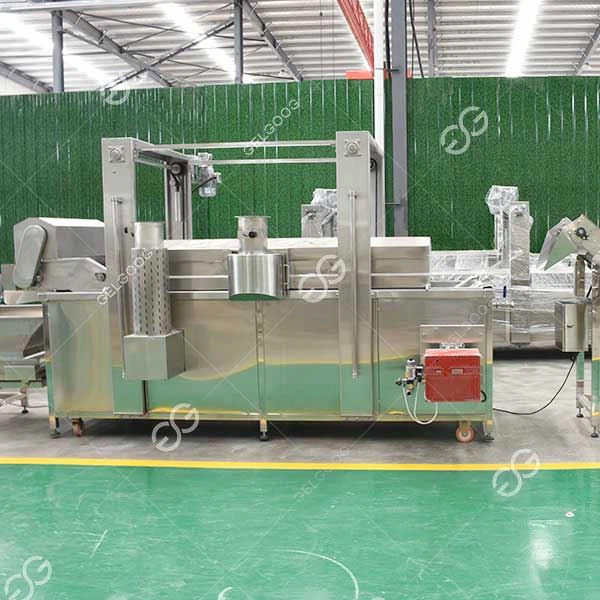
The key components in the frying section that affect the frying intensity are the fryer itself, the heating system, and the conveyor system. The fryer is the vessel where the onions are submerged in hot oil. The heating system provides the energy to heat the oil to the desired temperature, and the conveyor system moves the onions through the fryer at a specific speed.
Factors Affecting Frying Intensity
Several factors can influence the frying intensity on an onion frying line.
Oil Temperature
Oil temperature is one of the most crucial factors. Higher oil temperatures result in faster frying times, which can lead to a crispy exterior while keeping the interior of the onions tender. However, if the temperature is too high, the onions may burn on the outside before the inside is fully cooked. On the other hand, if the temperature is too low, the onions will absorb more oil, resulting in a greasy product.
To adjust the oil temperature, most modern onion frying lines are equipped with temperature controllers. These controllers allow you to set the desired temperature accurately. It's important to monitor the oil temperature regularly using a thermometer to ensure that it remains within the optimal range. For frying onions, a temperature range of 160 - 180°C (320 - 356°F) is generally recommended.
Conveyor Speed
The speed of the conveyor system also plays a significant role in frying intensity. A faster conveyor speed means that the onions spend less time in the fryer, resulting in a lighter frying. Conversely, a slower conveyor speed allows the onions to be in the hot oil for a longer period, leading to a more intense frying.
Adjusting the conveyor speed can be done through the control panel of the frying line. When setting the conveyor speed, you need to consider the size and thickness of the onion slices. Thicker slices may require a slower speed to ensure that they are cooked through, while thinner slices can be fried at a faster speed.
Oil Quality and Quantity
The quality and quantity of the oil in the fryer are also important. Old or contaminated oil can affect the flavor and quality of the fried onions. It's recommended to change the oil regularly to maintain its freshness.
The quantity of oil in the fryer should be sufficient to submerge the onions completely. If there is not enough oil, the onions may not fry evenly, and the frying intensity may vary across the batch.
Step - by - Step Guide to Adjusting Frying Intensity
Step 1: Determine the Desired Frying Level
First, you need to decide on the desired frying level for your onion products. Do you want a light, crispy fry or a more intense, well - cooked fry? This decision will depend on your target market and the specific requirements of your customers.
Step 2: Set the Oil Temperature
Use the temperature controller on the frying line to set the oil temperature according to the desired frying level. As mentioned earlier, for a light fry, you can set the temperature at the lower end of the recommended range (around 160°C or 320°F), and for a more intense fry, set it closer to 180°C (356°F).
Step 3: Adjust the Conveyor Speed
Based on the size and thickness of the onion slices and the desired frying level, adjust the conveyor speed. Start with a medium speed and make small adjustments as needed. You can test a small batch of onions and evaluate the frying result. If the onions are under - cooked, slow down the conveyor speed; if they are over - cooked, increase the speed.
Step 4: Monitor and Fine - Tune
Once the frying process has started, continuously monitor the oil temperature and the appearance of the fried onions. Use a thermometer to check the oil temperature regularly and make any necessary adjustments to the temperature controller. If the onions are not frying evenly, you may need to adjust the position of the onions on the conveyor or check for any blockages in the fryer.
Importance of Proper Frying Intensity Adjustment
Proper adjustment of the frying intensity on an onion frying line has several benefits.
Product Quality
By adjusting the frying intensity correctly, you can ensure that the fried onions have a consistent quality. The onions will have a uniform color, texture, and flavor, which is essential for customer satisfaction.
Cost - Efficiency
Optimal frying intensity can also lead to cost - efficiency. When the onions are fried at the right temperature and for the right amount of time, they absorb less oil, reducing the cost of oil consumption. Additionally, proper frying can minimize the amount of waste due to over - cooked or under - cooked products.

Food Safety
Proper frying intensity is crucial for food safety. Ensuring that the onions are cooked thoroughly at the right temperature can eliminate harmful bacteria and pathogens, making the fried onion products safe for consumption.
Related Machinery for Onion Frying Line
In addition to the onion frying line, there are other related machines that can enhance the overall production process. For example, the Spring Roll Pastry Machine can be used to make spring roll pastries, which can be filled with fried onions. The Gas Type Industrial Fried Food Fryer Machine|Snack Frying Machine is another option for frying various snacks, including onions. And the Chili Powder Making Machine can be used to make chili powder, which can be used as a seasoning for the fried onions.
Conclusion
Adjusting the frying intensity on an onion frying line is a complex but essential process. By understanding the factors that affect frying intensity, following the step - by - step guide, and monitoring the process closely, you can achieve high - quality fried onion products. As a leading supplier of onion frying lines, we are committed to providing our customers with the best equipment and technical support. If you are interested in purchasing an onion frying line or need more information on how to adjust the frying intensity, please feel free to contact us for a procurement discussion.
References
- "Frying Technology for Food Processing" by F. J. Franco and A. D. Martínez - Monzó
- "Food Frying: Chemistry, Nutrition, and Practical Applications" edited by D. B. Min and T. H. Smouse