Adjusting the frying time in an onion fryer machine is a crucial aspect that can significantly impact the quality of the fried onions. As a supplier of onion fryer machines, I understand the importance of getting this right for our customers. In this blog, I will share some insights on how to adjust the frying time effectively.
Understanding the Basics of Frying Time
Frying time refers to the duration for which onions are immersed in hot oil during the frying process. It is influenced by several factors, including the type of onion, the fryer's power and temperature settings, and the desired level of doneness.
Types of Onions
Different types of onions have varying moisture contents and densities, which directly affect the frying time. For example, sweet onions, such as Vidalia onions, have a higher sugar and moisture content compared to red or white onions. As a result, they tend to cook faster and may require a shorter frying time to avoid over - cooking. On the other hand, red onions have a denser texture and may need a bit more time to achieve the desired crispness.
Fryer Power and Temperature
The power of the onion fryer machine determines how quickly the oil can reach and maintain the desired frying temperature. A high - power fryer can heat the oil faster and keep it at a consistent temperature, which generally allows for more precise control of the frying time. The temperature of the oil is also a critical factor. Higher oil temperatures will cook the onions more quickly, but if the temperature is too high, the onions may burn on the outside while remaining undercooked inside.
Desired Level of Doneness
The level of doneness is a matter of personal preference. Some people prefer lightly fried onions that are still soft and slightly translucent, while others like them to be crispy and golden brown. The frying time will need to be adjusted accordingly.
Factors to Consider When Adjusting Frying Time
Onion Thickness
The thickness of the onion slices or pieces plays a significant role in determining the frying time. Thicker slices will take longer to cook through compared to thinner ones. For example, if you are frying onion rings, thinner rings will cook faster and may only need 1 - 2 minutes at a medium - high temperature, while thicker rings could take 3 - 4 minutes or more.
Quantity of Onions
The amount of onions being fried at one time also affects the frying time. If you overload the fryer with too many onions, the oil temperature will drop significantly, and the onions will take longer to cook. It is recommended to follow the manufacturer's guidelines on the maximum capacity of the fryer to ensure even cooking.
Oil Quality and Type
The quality and type of oil used in the fryer can impact the frying time. Fresh, high - quality oil will conduct heat more efficiently and result in more consistent frying. Different types of oils have different smoke points and flavor profiles. For example, vegetable oil has a relatively high smoke point and is a popular choice for frying onions. Olive oil, on the other hand, has a lower smoke point and may require a lower frying temperature and longer cooking time to avoid burning.
Step - by - Step Guide to Adjusting Frying Time
Pre - testing
Before frying a large batch of onions, it is advisable to conduct a pre - test with a small sample. Cut a few onions into the desired thickness and size, and fry them in the machine at the recommended temperature. Observe the time it takes for the onions to reach the desired level of doneness. This will give you a baseline for adjusting the frying time for larger batches.
Making Initial Adjustments
Based on the results of the pre - test, you can start making adjustments. If the onions are undercooked after the recommended time, you can increase the frying time by 30 seconds to 1 minute increments. If they are overcooked, reduce the time by a similar amount.
Monitoring the Frying Process
During the frying process, it is essential to monitor the onions closely. You can use a slotted spoon to check the onions periodically. Look for visual cues such as color and texture. Once the onions start to turn golden brown and become crispy, it may be time to remove them from the fryer.
Tips for Optimal Frying Time
Use a Thermometer
Investing in a good quality oil thermometer is a great way to ensure that the oil is at the correct temperature. This will help you make more accurate adjustments to the frying time. For frying onions, a temperature range of 350°F - 375°F (177°C - 191°C) is generally recommended.
Keep the Fryer Clean
A clean fryer will operate more efficiently and maintain a consistent temperature. Food debris and old oil can affect the heat transfer and may lead to uneven cooking. Regularly clean the fryer according to the manufacturer's instructions to ensure optimal performance.
Practice and Experiment
Adjusting the frying time is a skill that improves with practice. Don't be afraid to experiment with different frying times, temperatures, and onion preparations to find the perfect combination for your taste.
Related Machinery
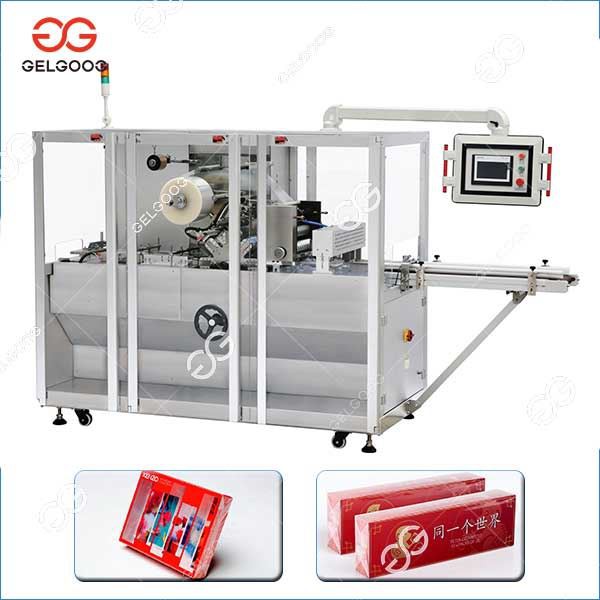
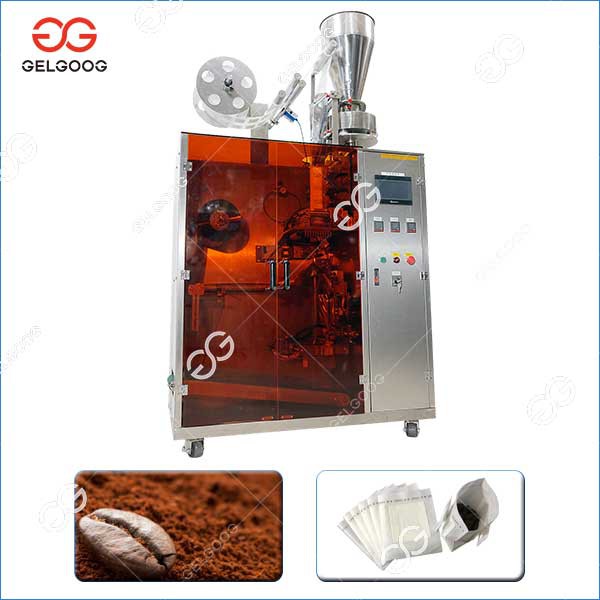
If you are interested in other types of food processing or packing machinery, we also offer a range of products such as the Cocoa Butter Press Machine, Cigarette Box Cellophane Wrapping Machine, and Drip Coffee Bag Packing Machine.
Conclusion
Adjusting the frying time in an onion fryer machine requires a combination of understanding the various factors involved and some hands - on practice. By considering the type of onion, fryer power and temperature, onion thickness, and quantity, you can achieve the perfect level of doneness for your fried onions. If you have any questions or need further assistance with our onion fryer machines or other related products, feel free to contact us for procurement and negotiation.
References
- "Food Frying: Chemistry, Safety, and Nutrition" by D. B. Min and T. H. Lin.
- Manufacturer's manuals of onion fryer machines.