Adjusting the frying time on an onion ring frying line is a critical process that directly impacts the quality, taste, and overall appeal of the final product. As a seasoned supplier of onion ring frying lines, I've witnessed firsthand the challenges and nuances involved in this crucial step. In this blog, I'll share some valuable insights and practical tips on how to fine - tune the frying time to achieve the perfect onion rings every time.
Understanding the Basics of Frying Time
Frying time is determined by several factors, including the thickness of the onion rings, the temperature of the frying oil, and the type of batter used. Thicker onion rings naturally require more time to cook through, while thinner ones cook faster. The oil temperature also plays a significant role; higher temperatures can cook the onion rings more quickly but may also lead to a burnt exterior if not carefully monitored.
When it comes to the batter, different recipes have different cooking characteristics. A thick, dense batter may take longer to cook compared to a lighter, more airy one. It's essential to understand these variables and how they interact to make informed adjustments to the frying time.
Factors Affecting Frying Time
Onion Ring Thickness
As mentioned earlier, the thickness of the onion rings is a primary determinant of frying time. For example, if you're using a standard - sized onion and cutting rings that are about 1/4 - inch thick, they will generally cook faster than 1/2 - inch thick rings. When setting up your frying line, it's important to have a consistent thickness for all the onion rings. This can be achieved by using a sharp knife or a specialized onion slicer that can cut the onions to a uniform thickness.
Oil Temperature
The ideal oil temperature for frying onion rings typically ranges between 350°F and 375°F (177°C - 191°C). At this temperature range, the onion rings will cook evenly, developing a crispy exterior while remaining tender on the inside. If the oil is too cold, the onion rings will absorb more oil, resulting in a greasy and soggy product. On the other hand, if the oil is too hot, the outside may burn before the inside is fully cooked.
It's crucial to use a reliable thermometer to monitor the oil temperature constantly. Our onion ring frying lines are equipped with advanced temperature control systems that can maintain a consistent oil temperature throughout the frying process, reducing the need for frequent manual adjustments.
Batter Composition
The batter used for coating the onion rings can significantly affect the frying time. A batter made with a high - starch content, such as cornstarch, will cook faster and form a crispy crust. In contrast, a batter with a high - protein content, like egg - based batters, may take a bit longer to cook and can result in a chewier texture.
When formulating your batter, consider the desired texture and cooking time. You may also want to experiment with different ingredients and ratios to find the perfect balance.
Steps to Adjust Frying Time
Initial Testing
Before starting full - scale production on the onion ring frying line, it's essential to conduct some initial testing. Take a small batch of onion rings, fry them at the recommended temperature and time, and then evaluate the results. Check for the color, texture, and doneness of the onion rings. If they are undercooked, you may need to increase the frying time slightly. If they are overcooked, reduce the frying time.
Monitoring and Fine - Tuning
Once you've established an initial frying time, continuously monitor the quality of the onion rings during production. If you notice that the onion rings are consistently coming out too light or too dark, make small adjustments to the frying time. For example, if the onion rings are pale and undercooked, increase the frying time by 10 - 15 seconds and re - evaluate the next batch.
Consider the Production Volume
The production volume can also impact the frying time. When you're frying a large number of onion rings at once, the oil temperature may drop slightly, which can affect the cooking time. To compensate for this, you may need to increase the frying time slightly or adjust the oil temperature to maintain the optimal cooking conditions.
Importance of Consistent Frying Time
Consistent frying time is crucial for maintaining the quality and taste of the onion rings. Customers expect a uniform product every time they purchase onion rings, whether it's at a fast - food restaurant or a grocery store. Inconsistent frying times can lead to a product that varies in color, texture, and flavor, which can negatively impact customer satisfaction and brand reputation.
By carefully adjusting and maintaining the frying time on your onion ring frying line, you can ensure that every batch of onion rings meets the highest quality standards.
Related Machinery and Their Impact
In addition to the onion ring frying line, other related machinery can also influence the frying process and the final product quality. For instance, a Drip Coffee Bag Packing Machine may not be directly related to onion ring production, but it showcases our company's expertise in manufacturing high - quality food processing and packaging equipment.
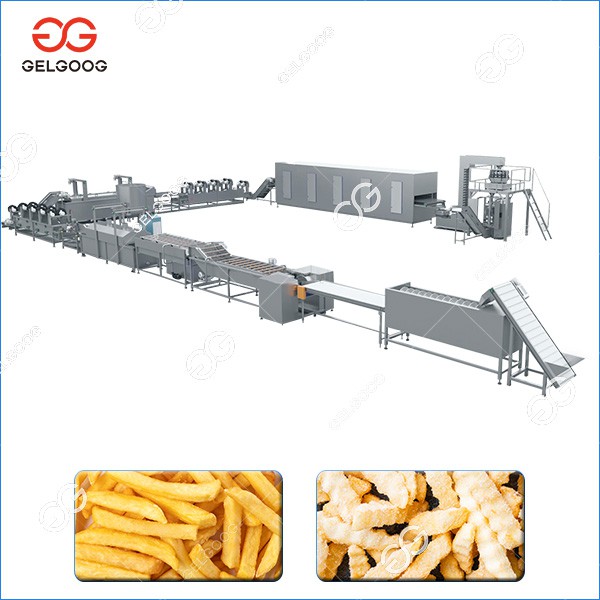
Similarly, a Frozen Shrimp Freezing Machine demonstrates our ability to handle different types of food products and ensure their freshness and quality. And if you're also interested in expanding your product line, a French Fries Production Line can be a great addition to your food processing facility.
Conclusion
Adjusting the frying time on an onion ring frying line is a complex but essential process that requires careful attention to detail. By understanding the factors that affect frying time, conducting initial testing, and continuously monitoring the production process, you can achieve the perfect frying time for your onion rings.

If you're in the market for a high - quality onion ring frying line or have any questions about adjusting the frying time, I encourage you to reach out to us. Our team of experts is ready to assist you in optimizing your production process and ensuring the best possible quality for your onion rings. Contact us today to start a discussion about your specific needs and how we can help you succeed in the food processing industry.
References
- "Food Frying: Chemistry, Nutrition, and Practical Applications" by D. B. Min and T. H. Lin
- "The Science of Good Food: Understanding the Biology and Chemistry Behind Cooking" by Harold McGee