Hey there! As a supplier of nuts processing lines, I often get asked about the certification requirements for these setups. It's a crucial topic, especially for those looking to start or expand their nuts processing business. In this blog, I'll break down the key certifications you need to know about and why they matter.
Why Certifications Matter
First off, why do we even need certifications for a nuts processing line? Well, certifications act as a stamp of approval that your processing line meets certain standards. They ensure that the nuts you process are safe for consumption, of high quality, and produced in an environmentally and socially responsible manner. This not only builds trust with your customers but also helps you comply with local and international regulations.
Food Safety Certifications
One of the most important aspects of nuts processing is food safety. After all, people are going to eat the nuts you produce! There are several certifications related to food safety that you should consider.
Hazard Analysis and Critical Control Points (HACCP)
HACCP is a systematic approach to identifying, evaluating, and controlling food safety hazards. It's like a roadmap for ensuring that every step of your nuts processing line is safe. With HACCP, you'll need to conduct a hazard analysis to figure out where potential risks might occur, such as contamination from pests, improper storage conditions, or cross - contamination during processing. Then, you'll establish critical control points (CCPs) where you can take action to prevent, eliminate, or reduce these hazards to an acceptable level.
For example, if you're roasting nuts, the temperature and time of roasting could be a CCP. You'll need to monitor and control these parameters to ensure that any harmful bacteria or pathogens are killed. Having a HACCP certification shows that you've taken the necessary steps to protect the health of your consumers.
Good Manufacturing Practices (GMP)
GMP is all about maintaining a clean and hygienic environment in your processing facility. This includes things like proper sanitation of equipment, employee hygiene (like wearing hairnets and clean uniforms), and good storage practices. For instance, your nuts should be stored in a dry, cool place to prevent mold growth. GMP also covers aspects like equipment maintenance to ensure that everything is working properly and not introducing any contaminants into the nuts.
ISO 22000
ISO 22000 is an international standard for food safety management systems. It's similar to HACCP but has a broader scope. It integrates HACCP principles with other aspects of food safety management, such as communication with suppliers and customers, and continuous improvement of your food safety system. Having an ISO 22000 certification can open up new markets for your nuts products, as many international buyers look for this standard.
Quality Certifications
In addition to food safety, quality is also a major concern for nuts processing. You want your nuts to be of the best possible quality in terms of taste, texture, and appearance.
ISO 9001
ISO 9001 is a standard for quality management systems. It focuses on ensuring that your processes are well - defined, documented, and consistently followed. This helps you produce nuts that meet or exceed customer expectations. For example, if you're producing almond butter, ISO 9001 would require you to have a clear process for sourcing almonds, grinding them, and packaging the final product. You'd also need to have procedures in place for handling customer complaints and improving your processes over time.
Environmental and Social Certifications
These days, consumers are more conscious about the environmental and social impact of the products they buy. So, having relevant certifications in these areas can give you a competitive edge.
Rainforest Alliance Certification
If you source your nuts from regions where deforestation is a concern, the Rainforest Alliance Certification can be a great addition. It ensures that your nut sourcing practices are sustainable and don't contribute to deforestation. It also promotes fair labor practices and the well - being of local communities.
Fair Trade Certification
Fair Trade Certification is about ensuring that the farmers and workers involved in the production of your nuts are paid a fair price for their work. It helps to reduce poverty in developing countries and promotes social justice. If you're a supplier who cares about the people behind the nuts, getting a Fair Trade Certification can make your products more appealing to socially conscious consumers.
Equipment - Specific Considerations
Now, let's talk a bit about the equipment in your nuts processing line. Different machines may have their own certification requirements.
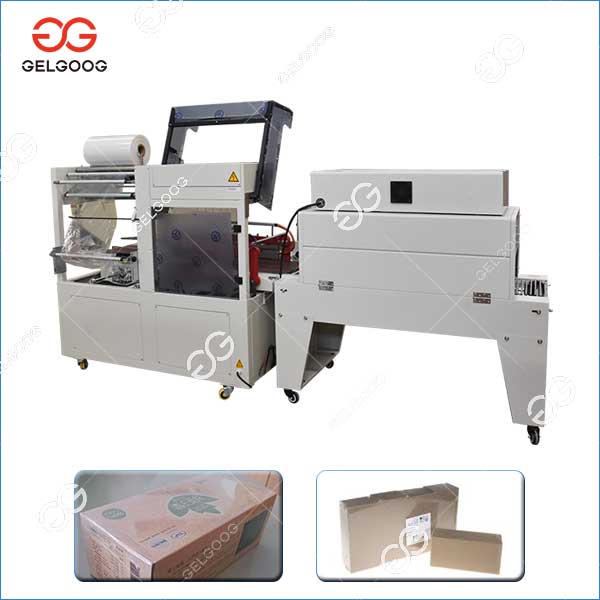
For example, if you're using a Box Shrink Wrapping Machine for packaging your nuts, it should meet certain safety and performance standards. This might include electrical safety certifications to ensure that it doesn't pose a risk of electric shock, and mechanical safety certifications to prevent any accidents during operation.
Similarly, a Semi Automatic Banana Chips Machine (even though it's for banana chips, similar principles apply to nut frying equipment) needs to be certified for food contact safety. This means that the materials used in the machine should not leach any harmful substances into the nuts during the frying process.
And if you're using a Cashew Nut Grinding Machine, it should be certified for proper grinding performance. It should be able to grind the nuts to the right consistency without over - heating or introducing any contaminants.
How to Get Certified
Getting certified can seem like a daunting task, but it's definitely doable. Here are the general steps:
- Research and Plan: First, figure out which certifications are relevant to your nuts processing line. Consider your target markets, the type of nuts you're processing, and your business goals.
- Implement the Requirements: Once you've decided on the certifications, start implementing the necessary procedures and practices in your processing line. This might involve training your employees, upgrading your equipment, or improving your documentation.
- Find a Certification Body: Look for a recognized certification body that can assess your processing line against the relevant standards. Make sure they're accredited and have a good reputation.
- Undergo the Assessment: The certification body will conduct an on - site assessment of your processing line. They'll check if you're meeting all the requirements. Be prepared to show them your documentation, processes, and equipment.
- Maintain the Certification: After you get certified, you'll need to keep up with the requirements. This might involve regular audits and continuous improvement of your processes.
Conclusion
In conclusion, getting the right certifications for your nuts processing line is essential for the success of your business. It not only ensures the safety and quality of your nuts but also helps you meet the expectations of your customers and comply with regulations. Whether it's food safety, quality, environmental, or social certifications, each one plays a crucial role in building a trustworthy and sustainable nuts processing business.

If you're in the market for a nuts processing line and have questions about certifications or our products, don't hesitate to reach out. We're here to help you navigate the certification process and find the best equipment for your needs. Let's start a conversation and see how we can work together to make your nuts processing business a success!
References
- Codex Alimentarius Commission. "Hazard Analysis and Critical Control Point (HACCP) System and Guidelines for its Application."
- International Organization for Standardization. ISO 22000:2018, Food safety management systems — Requirements for any organization in the food chain.
- International Organization for Standardization. ISO 9001:2015, Quality management systems — Requirements.
- Rainforest Alliance. "Sustainable Agriculture Standard."
- Fairtrade International. "Fairtrade Standards."