

A nuts processing line is a complex system designed to transform raw nuts into high - quality, market - ready products. As a leading supplier of nuts processing lines, I have in - depth knowledge of the key components that make up an efficient and effective processing line. In this blog, I will introduce these essential components in detail.
1. Nut Cleaning and Sorting Equipment
The first step in any nuts processing line is cleaning and sorting. Raw nuts often come with impurities such as dirt, stones, and broken nuts. To ensure the quality of the final product, it is crucial to remove these contaminants.
a. Vibrating Screens
Vibrating screens are commonly used to separate nuts based on size. They work by vibrating the screen surface, allowing smaller nuts and debris to pass through while larger nuts remain on the screen. This simple yet effective mechanism helps in the initial separation of nuts from larger impurities.
b. Air Separation Units
Air separation units use the principle of air flow to separate nuts from lighter impurities such as dust and chaff. By adjusting the air velocity, the machine can effectively remove these unwanted materials, leaving behind clean nuts. This is an important step as it not only improves the quality of the nuts but also reduces the wear and tear on subsequent processing equipment.
c. Optical Sorting Machines
Optical sorting machines are advanced pieces of equipment that use cameras and sensors to detect and remove defective nuts. These machines can identify nuts based on color, shape, and size, and eject any nuts that do not meet the set standards. This technology ensures that only high - quality nuts proceed to the next stage of processing. For example, if there are nuts with discoloration or abnormal shapes, the optical sorting machine will quickly identify and remove them.
2. Nut Roasting Equipment
Roasting is a critical process in nuts processing as it enhances the flavor, aroma, and texture of the nuts. There are different types of roasting equipment available, each with its own advantages.
a. Drum Roasters
Drum roasters are one of the most common types of roasting equipment. They consist of a rotating drum where the nuts are placed. As the drum rotates, the nuts are evenly heated by a heat source, which can be gas, electricity, or steam. The rotation of the drum ensures that all the nuts are roasted uniformly, resulting in a consistent flavor and texture. Drum roasters are suitable for large - scale nut processing as they can handle a large volume of nuts at once.
b. Fluid Bed Roasters
Fluid bed roasters use hot air to suspend the nuts in a fluid - like state. This allows for very efficient heat transfer, resulting in a shorter roasting time compared to drum roasters. The hot air also provides a more uniform roasting environment, ensuring that each nut is roasted to perfection. Fluid bed roasters are often used when a quick and precise roasting process is required.
3. Nut Seasoning Equipment
After roasting, nuts are often seasoned to add different flavors. Seasoning equipment plays a vital role in ensuring that the seasoning is evenly distributed on the nuts.
a. Seasoning Tumblers
Seasoning tumblers are used to coat the roasted nuts with seasonings. The nuts are placed in a rotating drum, and the seasonings are added. As the drum rotates, the nuts tumble and are coated with the seasonings. This method ensures that the seasonings are evenly distributed on the surface of the nuts, providing a consistent flavor throughout the batch.
b. Spray Seasoning Systems
Spray seasoning systems are another option for seasoning nuts. These systems use a spray mechanism to apply the seasonings in a fine mist. This allows for a more precise application of the seasonings, especially when dealing with liquid - based seasonings. Spray seasoning systems can be adjusted to control the amount of seasoning applied, ensuring that the flavor is just right.
4. Nut Cooling Equipment
After roasting and seasoning, the nuts need to be cooled down to a suitable temperature for packaging. Cooling equipment helps in maintaining the quality of the nuts and preventing them from sticking together.
a. Conveyor Coolers
Conveyor coolers consist of a conveyor belt that moves the hot nuts through a cooling chamber. Cold air is blown over the nuts as they move along the conveyor, gradually reducing their temperature. This type of cooler is suitable for large - scale processing as it can handle a continuous flow of nuts.
b. Fluid Bed Coolers
Similar to fluid bed roasters, fluid bed coolers use a stream of cold air to cool the nuts. The nuts are suspended in the cold air, which provides efficient and uniform cooling. Fluid bed coolers are known for their fast cooling times and are often used when quick cooling is required.
5. Nut Packaging Equipment
The final step in the nuts processing line is packaging. Proper packaging is essential to preserve the freshness and quality of the nuts and to attract consumers.
The Mixed Nuts Weighing and Packing Machine is a key piece of equipment in this stage. It can accurately weigh the nuts and pack them into different types of packages, such as bags, cans, or jars. These machines are designed to be highly efficient and can handle a large number of packages per hour. They can also be adjusted to pack different quantities of nuts according to the market demand.
6. Related Supplementary Equipment
In addition to the main components mentioned above, there are also some supplementary equipment that can enhance the overall performance of the nuts processing line.
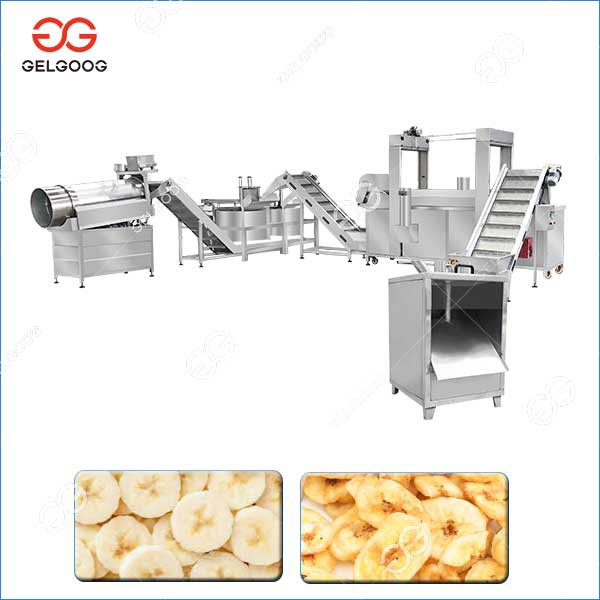
a. Semi Automatic Banana Chips Machine
Although it is mainly used for banana chips production, in some integrated processing plants, this machine can be used in combination with nuts processing. For example, if the processing plant also produces snack mixes that include banana chips and nuts, this machine can help in the production of the banana chips component.
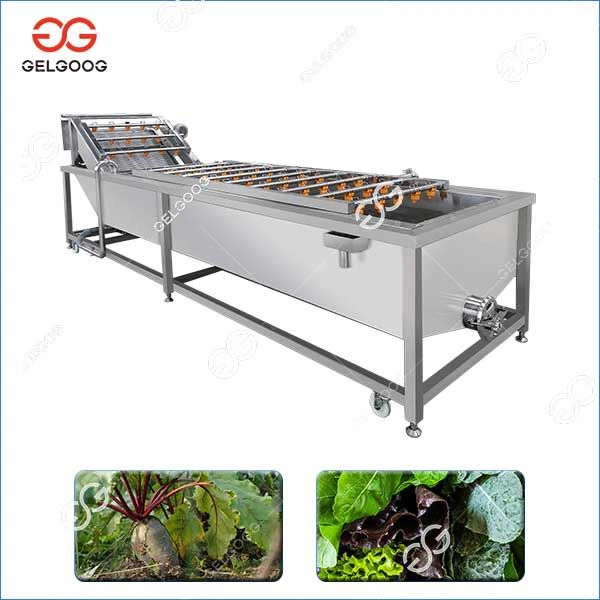
b. Ozone Leaf Vegetable Washing Machine
In cases where the nuts are processed in an environment where hygiene is of utmost importance, this machine can be used to clean the processing area or some of the equipment. The ozone in the machine has strong disinfectant properties, which can help in maintaining a clean and safe processing environment.
In conclusion, a well - designed nuts processing line consists of a series of key components that work together to produce high - quality nuts. From cleaning and sorting to roasting, seasoning, cooling, and packaging, each step is crucial in ensuring the final product meets the market standards. As a nuts processing line supplier, I am committed to providing our customers with the best - in - class equipment and solutions. If you are interested in setting up or upgrading your nuts processing line, please feel free to contact us for more information and to discuss your specific requirements. We look forward to working with you to achieve your processing goals.
References
- "Food Processing Technology: Principles and Practice" by P. J. Fellows
- "Nuts and Seeds in Health and Disease Prevention" edited by Victor R. Preedy and Ronald Ross Watson


