Hey there! As a supplier of onion ring frying machines, I've seen firsthand how crucial it is to optimize the frying process. A well - optimized frying process not only ensures delicious onion rings but also boosts efficiency and cuts down on costs. In this blog, I'm gonna share some tips on how to get the most out of your onion ring frying machine.
Choosing the Right Oil
The first step in optimizing the frying process is picking the right oil. You want an oil with a high smoke point. Oils like canola, peanut, and sunflower oil are great choices. They can handle the high temperatures needed for frying onion rings without breaking down quickly. When an oil reaches its smoke point, it starts to produce harmful compounds and gives your onion rings an off - flavor.
Another thing to consider is the oil's stability. Some oils oxidize faster than others, which can lead to a shorter shelf life for your fried onion rings. Look for oils that are labeled as "high - oleic" as they tend to be more stable. Also, make sure to change the oil regularly. A good rule of thumb is to change the oil after every 8 - 10 batches of onion rings. This keeps the flavor consistent and reduces the risk of cross - contamination.
Preparing the Onion Rings
Proper preparation of the onion rings is key. First, you need to select fresh onions. Look for onions that are firm and have a dry outer skin. Cut the onions into even - sized rings. Rings that are too thick won't cook through properly, while rings that are too thin will burn easily.

Before frying, it's a good idea to coat the onion rings in a batter. A simple batter can be made with flour, water, a bit of salt, and some seasonings. You can also add a little bit of baking powder to make the batter light and crispy. Dip the onion rings into the batter, making sure they're fully coated. Let any excess batter drip off before placing them in the fryer.
Some people like to do a double - coating process. After the first coating, let the onion rings dry for a few minutes, then dip them in the batter again. This creates an extra - crispy exterior. You can also experiment with different types of batters, like tempura batter or beer batter, to add unique flavors to your onion rings.
Setting the Right Temperature
The temperature of the oil is crucial. If the oil is too cold, the onion rings will absorb too much oil and become greasy. If it's too hot, the outside will burn while the inside remains raw. For most onion ring frying machines, the ideal temperature is between 350°F and 375°F (177°C and 191°C).
Most modern onion ring frying machines come with temperature controls. Make sure to pre - heat the oil to the desired temperature before adding the onion rings. You can use a thermometer to double - check the temperature. Once the onion rings are in the fryer, keep an eye on the temperature. As you add more onion rings, the temperature of the oil will drop, so you may need to adjust the heat settings accordingly.
Controlling the Frying Time
The frying time depends on the thickness of the onion rings and the temperature of the oil. Generally, onion rings take about 2 - 3 minutes to fry until they're golden brown and crispy. But it's important to monitor them closely. You can start checking the onion rings after 1.5 minutes. Use a slotted spoon or a fry basket to lift a ring out of the oil. If it's golden brown and crispy on the outside, it's ready.
Over - frying can make the onion rings tough and dry, while under - frying will result in soggy rings. Once the onion rings are done, remove them from the fryer immediately and place them on a plate lined with paper towels. This helps to drain any excess oil.
Maintaining the Frying Machine
Regular maintenance of your onion ring frying machine is essential for optimal performance. After each use, clean the fryer thoroughly. First, turn off the machine and let the oil cool down completely. Then, remove the oil from the fryer and store it in a clean container.
Clean the interior of the fryer with a mild detergent and warm water. Use a soft brush to remove any food particles or debris. Rinse the fryer well and dry it completely before adding fresh oil. Check the heating elements and other components regularly for any signs of damage or wear. If you notice any problems, it's best to get them fixed right away.
Using the Right Equipment
Investing in high - quality equipment can make a big difference. As a supplier, I recommend looking for an onion ring frying machine that has features like precise temperature control, a large capacity, and easy - to - clean parts. Some machines also come with built - in filters that help to keep the oil clean and extend its lifespan.
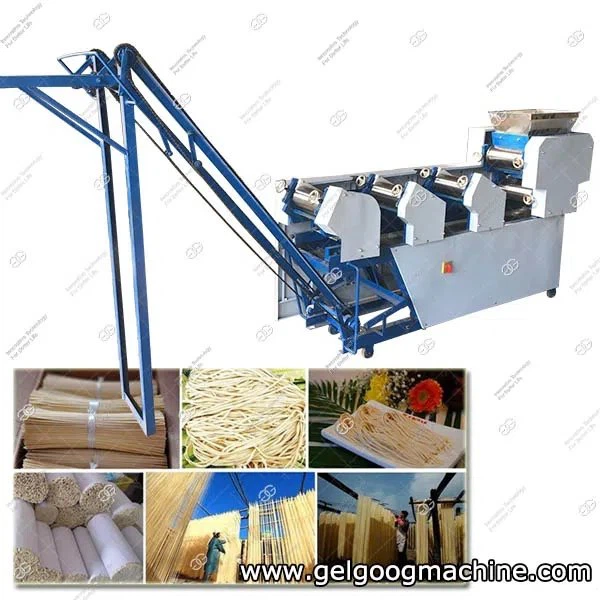
If you're in the food business, you might also want to consider other related equipment. For example, an Automatic Noodle Making Machine can be a great addition if you're looking to diversify your product line. Or, if you're interested in other fried snacks, an Automatic Coconut Chips Production Line or an Automatic Fryer Machine for Pork Rinds Skin|Pork Cracklins Frying Equipment could be a good option.
Conclusion
Optimizing the frying process in an onion ring frying machine takes a bit of practice and attention to detail. By choosing the right oil, preparing the onion rings properly, setting the right temperature and frying time, maintaining the machine, and using the right equipment, you can produce delicious, crispy onion rings every time.
If you're interested in learning more about our onion ring frying machines or other food processing equipment, feel free to reach out. We're always happy to help you find the best solutions for your business. Whether you're a small diner or a large food production facility, we have the equipment and expertise to meet your needs. So, don't hesitate to contact us for a consultation and let's start making great - tasting fried foods together!
References
- "The Science of Frying" by Harold McGee
- "Professional Cooking" by Wayne Gisslen