

Noise pollution in a nuts processing line can be a significant concern, not only for the well - being of workers but also for compliance with environmental regulations. As a supplier of nuts processing lines, I understand the importance of addressing this issue effectively. In this blog, I will share some practical strategies to reduce the noise pollution of a nuts processing line.
Understanding the Sources of Noise in a Nuts Processing Line
Before we can tackle the problem of noise pollution, it's crucial to identify its sources. In a typical nuts processing line, several components can generate significant noise. For example, the conveyors that transport nuts from one stage to another often produce a continuous rumbling sound. The sorting machines, which use mechanical vibrations to separate nuts based on size and quality, can also be quite noisy. Additionally, the grinding and roasting equipment create high - pitched noises due to the high - speed rotation of their internal parts.
Implementing Engineering Controls
One of the most effective ways to reduce noise pollution is through engineering controls. These involve modifying the equipment or the processing environment to minimize noise generation.
Equipment Design and Maintenance
- Proper Lubrication: Regularly lubricating moving parts of the machinery can significantly reduce friction, which in turn reduces noise. For example, the bearings in the conveyor belts and the motors of the sorting machines should be lubricated according to the manufacturer's recommendations.
- Vibration Isolation: Installing vibration - isolating mounts under the equipment can prevent the transfer of vibrations to the floor and surrounding structures. This can be particularly effective for the grinding and roasting machines, which tend to vibrate vigorously during operation.
Enclosures and Barriers
- Sound - Proof Enclosures: Building sound - proof enclosures around noisy equipment can contain the noise within a limited space. These enclosures are typically made of materials with high sound - absorption properties, such as acoustic foam or fiberglass. For instance, the sorting machines can be enclosed to reduce the noise they emit into the processing area.
- Noise Barriers: Placing noise barriers between the noisy equipment and the workers or the surrounding environment can also help reduce noise levels. These barriers can be made of materials like metal or concrete and are designed to reflect and absorb sound waves.
Administrative Controls
Administrative controls involve changing work practices and schedules to minimize the exposure of workers to noise.
Work Scheduling
- Rotating Work Assignments: Rotating workers between noisy and less - noisy tasks can reduce their overall exposure to noise. For example, a worker who has been operating the grinding machine for a few hours can be assigned to a less - noisy task, such as packaging, for the next part of the shift.
- Limited Exposure Time: Setting limits on the amount of time workers spend in noisy areas can also help protect their hearing. For instance, workers should not be allowed to work in areas with high noise levels for more than a certain number of hours per day.
Training and Awareness
- Noise Awareness Training: Providing workers with training on the hazards of noise pollution and the importance of using personal protective equipment (PPE) can increase their awareness and compliance. Workers should be educated on how to recognize high - noise areas and how to take appropriate measures to protect themselves.
Personal Protective Equipment (PPE)
While engineering and administrative controls are the preferred methods for reducing noise pollution, PPE can also play an important role in protecting workers' hearing.
Earplugs and Earmuffs
- Earplugs: Disposable or reusable earplugs can be inserted into the ear canal to block out noise. They are relatively inexpensive and easy to use. Workers should be trained on how to properly insert earplugs to ensure maximum effectiveness.
- Earmuffs: Earmuffs are larger devices that fit over the ears and provide a more substantial level of noise reduction. They are particularly useful in areas with extremely high noise levels.
Monitoring and Evaluation
Regular monitoring of noise levels in the nuts processing line is essential to ensure that the noise reduction measures are effective.
Noise Level Monitoring
- Regular Measurements: Using a sound level meter, noise levels should be measured at various locations in the processing line at regular intervals. This can help identify areas where noise levels are still too high and where additional noise reduction measures may be needed.
- Trend Analysis: Analyzing the noise level data over time can help determine if the noise reduction strategies are having a positive impact. If the noise levels are not decreasing as expected, adjustments can be made to the existing measures.
Related Product Offerings
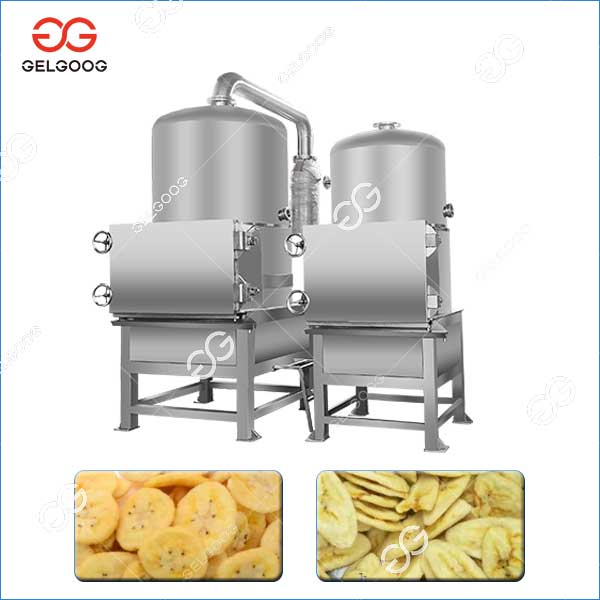
In addition to nuts processing lines, our company also offers a range of other high - quality food processing equipment. For example, we have a Peeled Garlic Production Line that is designed to efficiently peel and process garlic. Our Banana Chips Vacuum Frying Machine is ideal for producing crispy and delicious banana chips. And our Powder Filling And Sealing Machine provides accurate and reliable powder packaging solutions.
Conclusion
Reducing noise pollution in a nuts processing line is a multi - faceted challenge that requires a combination of engineering controls, administrative controls, and the use of personal protective equipment. By implementing these strategies, we can create a safer and more comfortable working environment for the employees and also meet the environmental requirements. If you are interested in our nuts processing lines or other related products, please feel free to contact us for more information and to discuss your specific needs. We are committed to providing you with the best solutions for your food processing operations.
References
- [1] "Industrial Noise Control and Acoustics" by C. M. Harris.
- [2] "Occupational Noise Exposure: Criteria for a Recommended Standard" by the National Institute for Occupational Safety and Health (NIOSH).


