As a supplier of onion ring frying lines, one of the most frequently asked questions I receive from customers is about the cleaning frequency of these machines. Maintaining a proper cleaning schedule is crucial for ensuring the quality of the onion rings, the longevity of the equipment, and the overall efficiency of the production process. In this blog post, I will delve into the factors that determine the cleaning frequency for an onion ring frying line and provide some practical guidelines.
Factors Affecting Cleaning Frequency
1. Production Volume
The volume of onion rings produced is a significant factor in determining how often the frying line needs to be cleaned. Higher production volumes mean more oil, batter, and onion particles are used and left behind in the machine. For instance, a small - scale operation that produces a few hundred pounds of onion rings per day may not need to clean the frying line as frequently as a large - scale factory churning out thousands of pounds daily. In a high - volume production environment, the accumulation of debris can occur much faster, leading to a decrease in oil quality and potential clogging of the equipment.
2. Oil Quality and Type
The type of oil used in the frying process also plays a role. Some oils, such as palm oil, have a higher smoke point and are more stable at high temperatures, which means they may break down less quickly and require less frequent cleaning compared to other oils like canola oil. Additionally, the quality of the oil matters. If low - quality oil is used, it is more likely to break down into free fatty acids, polymers, and other undesirable compounds, which can build up on the surfaces of the frying line and affect the taste and quality of the onion rings.
3. Food Safety Regulations
Food safety is of utmost importance in the food processing industry. Different regions have varying regulations regarding the cleaning and sanitation of food processing equipment. For example, in the United States, the Food and Drug Administration (FDA) has strict guidelines on the cleanliness of food contact surfaces. These regulations often specify minimum cleaning frequencies to prevent the growth of harmful bacteria and ensure the safety of the final product. Failure to comply with these regulations can result in significant fines and damage to the reputation of the business.

4. Batter Composition
The composition of the batter used for the onion rings can impact the cleaning frequency. If the batter contains a high amount of starch or other sticky ingredients, it is more likely to adhere to the surfaces of the frying line. This can make the cleaning process more difficult and may require more frequent cleaning to prevent the build - up of batter residues, which can affect the flow of the oil and the cooking process.
Recommended Cleaning Frequencies
1. Daily Cleaning
For most onion ring frying lines, especially those in high - volume production environments, daily cleaning is essential. At the end of each production day, the following steps should be taken:
- Oil Filtration: The oil in the fryer should be filtered to remove any large particles of onion, batter, or other debris. This can be done using a fine - mesh filter. Filtration helps to extend the life of the oil and maintain its quality.
- Surface Wiping: All accessible surfaces of the frying line, including the fryer basket, conveyor belts, and the exterior of the machine, should be wiped down with a clean, damp cloth. This helps to remove any loose debris and prevent it from drying and becoming more difficult to clean later.
- Batter Hopper Cleaning: If the frying line has a batter hopper, it should be emptied and cleaned thoroughly to prevent the growth of bacteria and the build - up of batter residues.
2. Weekly Cleaning
In addition to daily cleaning, a more comprehensive weekly cleaning should be carried out. This includes:
- Deep Cleaning of the Fryer: The fryer should be drained of all oil and then cleaned with a specialized fryer cleaner. This helps to remove any stubborn carbon deposits and other contaminants that may have built up over the course of the week.
- Conveyor Belt Inspection and Cleaning: The conveyor belts should be inspected for any signs of wear or damage. They should also be cleaned more thoroughly, using a mild detergent and water, to remove any batter or oil residues that may have accumulated.
- Pump and Pipe Cleaning: The pumps and pipes in the frying line should be flushed with clean water to remove any oil or debris that may be clogging them.
3. Monthly Cleaning
A monthly cleaning is a more in - depth maintenance procedure. It involves:
- Disassembly and Cleaning of Components: Some components of the frying line, such as the heating elements and the oil circulation system, may need to be disassembled and cleaned. This helps to ensure that all parts of the machine are functioning properly and that there are no hidden areas where debris can accumulate.
- Calibration and Inspection: The frying line should be calibrated to ensure that the temperature, oil flow, and other settings are accurate. A thorough inspection of the entire machine should also be carried out to identify any potential issues that may require repair.
Importance of Regular Cleaning
Regular cleaning of the onion ring frying line offers several benefits:
- Improved Product Quality: Clean equipment ensures that the onion rings are cooked evenly and have a consistent taste and texture. It also helps to prevent the transfer of off - flavors from old oil or batter residues to the new batches of onion rings.
- Extended Equipment Lifespan: By removing debris and preventing the build - up of contaminants, regular cleaning can significantly extend the lifespan of the frying line. This reduces the need for costly repairs and replacements.
- Compliance with Regulations: As mentioned earlier, regular cleaning helps businesses comply with food safety regulations, which is essential for avoiding legal issues and maintaining a good reputation in the market.
Related Machinery
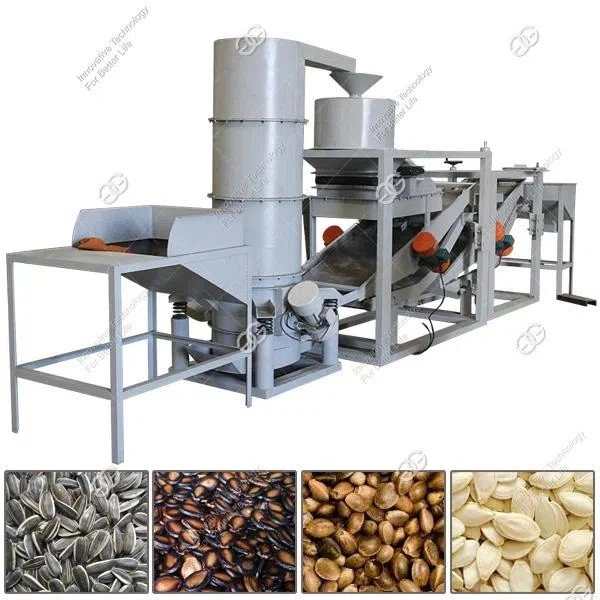
If you are also interested in other food processing machinery, we offer a range of products such as the Chili Sauce Making Machine, Cocoa Bean Peeling Machine, and Pumpkin Seed Shelling Machine Equipment|Sunflower Seeds Sheller|Melon Seeds Hulling Machine. These machines are designed to meet the high - quality standards of the food processing industry.
Conclusion
Determining the appropriate cleaning frequency for an onion ring frying line requires careful consideration of several factors, including production volume, oil quality, food safety regulations, and batter composition. By following the recommended daily, weekly, and monthly cleaning schedules, businesses can ensure the quality of their onion rings, extend the lifespan of their equipment, and comply with food safety regulations.
If you are in the market for an onion ring frying line or have any questions about cleaning and maintenance, we encourage you to contact us for more information. Our team of experts is ready to assist you in finding the right solution for your business needs.
References
- Food and Drug Administration (FDA). "Food Safety Guidelines for Food Processing Equipment."
- Industry research reports on food processing equipment maintenance.