Hey there! As a cake machine supplier, I often get asked about the power consumption of these nifty gadgets. It's a crucial question, especially for those looking to run a bakery or just bake at home while keeping an eye on their energy bills. So, let's dig into what affects the power consumption of a cake machine and how you can manage it.
Factors Affecting Power Consumption
First off, the type of cake machine plays a huge role. There are different kinds out there - mixers, ovens, and decorating machines, to name a few. Each has its own power requirements.

Mixers
Mixers are a staple in any cake - making process. They come in various sizes and power ratings. Small handheld mixers are usually less power - hungry. They typically use around 200 - 300 watts. These are great for small - scale home baking, like making a single cake for a family gathering.
On the other hand, stand mixers are more powerful. They can handle larger batches of batter, which is ideal for bakeries. Stand mixers can range from 500 to 1500 watts, depending on their size and the motor's strength. The more attachments they have and the higher the speed settings, the more power they'll consume. For example, if you're using a dough hook attachment to knead a thick cake dough, it'll draw more power compared to using a whisk attachment for a light egg white foam.
Ovens
Cake ovens are another major power consumer. Conventional electric ovens use a lot of energy to heat up and maintain the desired baking temperature. A standard home - use electric oven might have a power rating of 2000 - 5000 watts. The larger the oven and the higher the temperature you set, the more power it'll use.
Some modern ovens come with energy - saving features. For instance, convection ovens use a fan to circulate hot air, which can reduce baking time and thus lower power consumption. They might still have a high initial power draw to heat up, but overall, they can be more energy - efficient in the long run.
Decorating Machines
Decorating machines, like those used for piping icing, are generally less power - intensive. They usually operate on low - wattage motors, often in the range of 50 - 100 watts. These machines are mainly used for precision work and don't require a lot of energy to function.
Measuring Power Consumption
To figure out how much power your cake machine is using, you can use a power meter. It's a simple device that you plug between the machine and the electrical outlet. The power meter will display the real - time power consumption in watts and can also calculate the total energy used over a period of time in kilowatt - hours (kWh).
Once you know the power consumption in kWh, you can estimate your electricity costs. Most utility companies charge per kWh, so you just multiply the number of kWh used by the cost per kWh on your electricity bill.
Tips to Reduce Power Consumption
If you're looking to cut down on the power usage of your cake machines, here are some handy tips:
For Mixers
- Only use the necessary speed setting. Higher speeds consume more power, so if you can achieve the same result at a lower speed, go for it.
- Don't run the mixer continuously for long periods. Give it short breaks in between mixing batches to prevent overheating and save power.
For Ovens
- Pre - heat the oven only for the necessary time. Once it reaches the desired temperature, you can start baking right away.
- Bake multiple cakes at once if possible. This way, you're using the same amount of energy to bake more items, making it more energy - efficient.
- Keep the oven door closed as much as possible during baking. Every time you open the door, heat escapes, and the oven has to use more power to re - heat.
Comparing with Other Food Machines
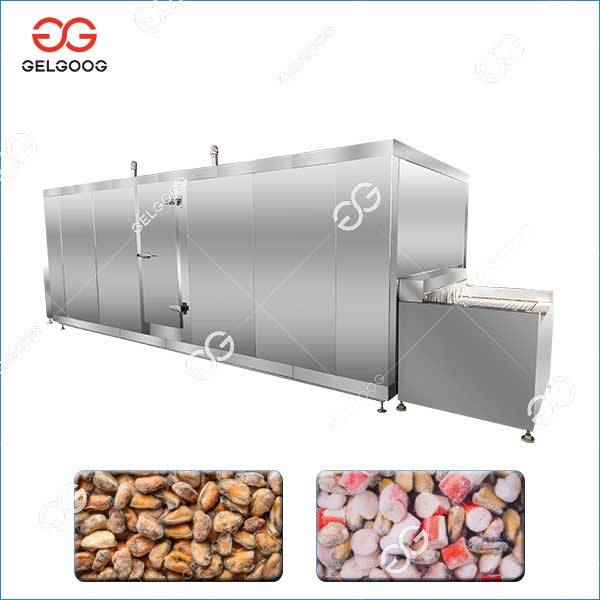
It's interesting to compare the power consumption of cake machines with other food - processing machines. For example, a Fish Freezing Machine is designed to lower the temperature of fish to freezing point. These machines usually have high - power compressors and fans, and their power consumption can be in the range of several thousand watts, much higher than most cake machines.
A Samosa Wrapper Machine is used to make samosa wrappers. Its power consumption depends on the size and complexity of the machine. Smaller, manual - assisted models might use around 200 - 500 watts, while larger, fully - automated ones can consume 1000 - 2000 watts.
A Round Tea Bag Packaging Machine is used for packaging tea bags. These machines typically use motors for filling, sealing, and labeling. Their power consumption is relatively low, usually in the range of 100 - 300 watts.
Why It Matters for Your Business
If you're running a bakery, understanding the power consumption of your cake machines is crucial for your bottom line. High energy costs can eat into your profits. By choosing energy - efficient machines and implementing power - saving practices, you can reduce your operating expenses.
Moreover, in today's environmentally - conscious world, using energy - efficient equipment can also enhance your business's reputation. Customers are more likely to support a bakery that is mindful of its energy usage and environmental impact.
Conclusion
So, there you have it - a breakdown of the power consumption of cake machines. Whether you're a home baker or a bakery owner, being aware of how much power your machines use and how to manage it can save you money and reduce your environmental footprint.
If you're in the market for a new cake machine or want to learn more about our energy - efficient models, don't hesitate to reach out. We're here to help you make the best choice for your baking needs.
References
- General knowledge on electrical appliances and power consumption.
- Industry - standard data on the power ratings of food - processing machines.